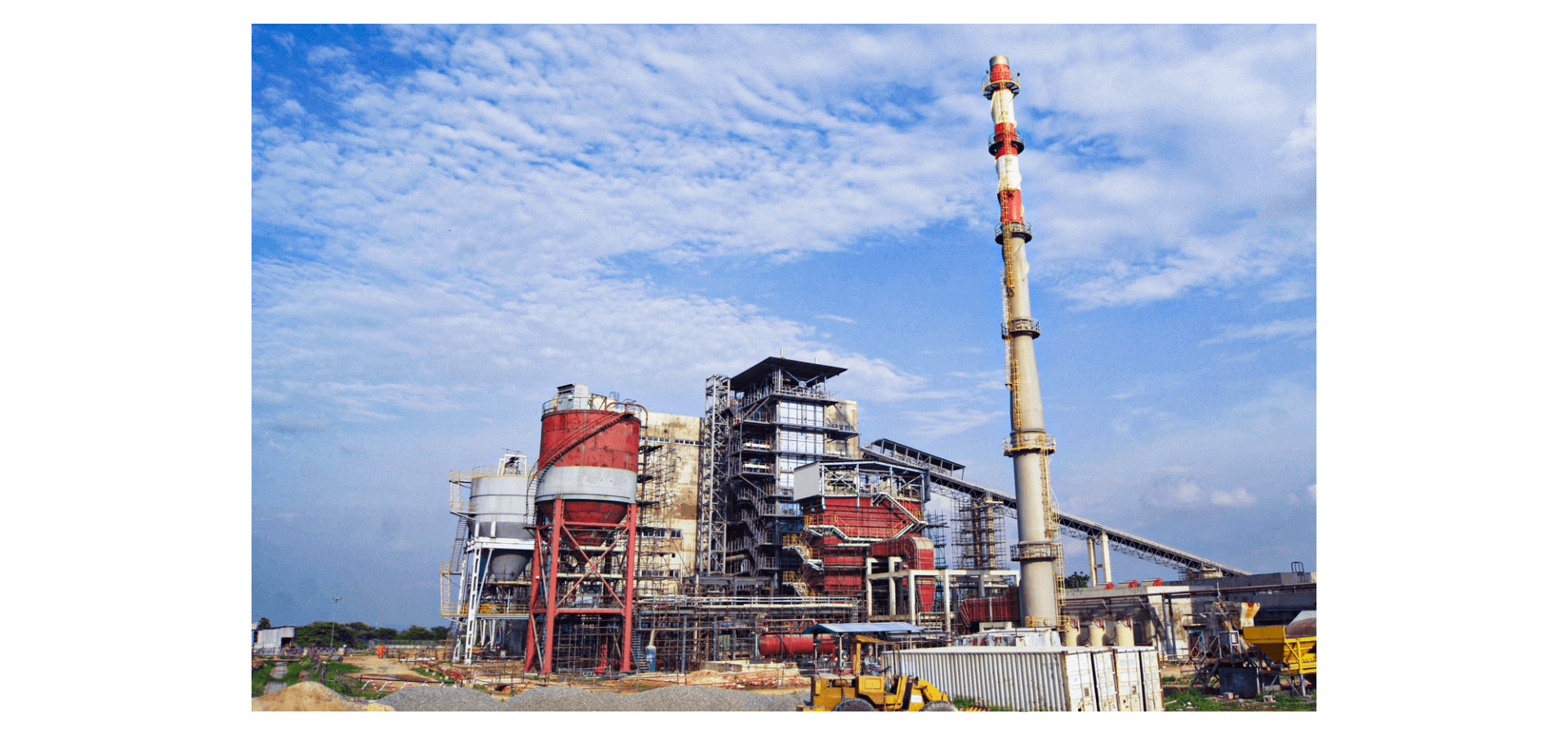
Industrial development has played a critical role in powering modern economies, and at the heart of many industrial plants lies the boiler system. A central component of this setup is the chimney of boiler island, a towering structure designed to release flue gases safely into the atmosphere. While these chimneys are essential for operational efficiency and safety, they also raise important environmental concerns. Understanding the environmental impact of boiler island chimneys is vital for industries, policymakers, and communities alike.
This article explores how the chimney of boiler island affects air quality, climate change, public health, and ecosystems, as well as the technologies and regulations designed to minimize its impact.
Understanding the Role of the Chimney of Boiler Island
A boiler island typically refers to the integrated system that includes the boiler, combustion equipment, air supply, fuel handling systems, and emission control technologies. The chimney of boiler island is responsible for venting exhaust gases produced during fuel combustion.
These exhaust gases may contain:
- Carbon dioxide (CO2)
- Nitrogen oxides (NOx)
- Sulfur dioxide (SO2)
- Particulate matter (PM)
- Trace heavy metals
The height of the chimney of boiler island is strategically designed to disperse pollutants over a wider area, reducing immediate ground-level concentrations. However, dispersion does not eliminate pollution; it simply spreads it.
Air Pollution and Atmospheric Impact
Emission of Greenhouse Gases
One of the most significant environmental impacts of the chimney of boiler island is the release of greenhouse gases, particularly carbon dioxide. Industrial boilers that burn fossil fuels such as coal, oil, or natural gas generate substantial CO2 emissions.
These emissions contribute directly to global warming by trapping heat in the Earth’s atmosphere. While the chimney helps in dispersing gases, it does not reduce the volume of greenhouse gases emitted.
Nitrogen Oxides and Smog Formation
Nitrogen oxides released from the chimney of boiler island can react with sunlight and volatile organic compounds to form ground-level ozone, a key component of smog. Smog can cause respiratory problems, reduce visibility, and damage crops.
Sulfur Dioxide and Acid Rain
When sulfur-containing fuels are burned, sulfur dioxide is emitted through the chimney of boiler island. SO2 can combine with water vapor in the atmosphere to form sulfuric acid, leading to acid rain.
Acid rain has severe consequences, including:
- Damage to forests and crops
- Acidification of lakes and rivers
- Corrosion of buildings and infrastructure
Impact on Human Health
The environmental effects of emissions from the chimney of boiler island are closely linked to public health concerns.
Particulate Matter and Respiratory Issues
Particulate matter, especially fine particles (PM2.5), can travel deep into the lungs and even enter the bloodstream. Long-term exposure may lead to:
- Asthma
- Chronic bronchitis
- Heart disease
- Premature death
Communities located near industrial plants are particularly vulnerable if emission controls are inadequate.
Toxic Metal Exposure
In some industrial processes, heavy metals such as mercury, arsenic, and lead may be emitted in trace amounts through the chimney of boiler island. These substances can accumulate in soil and water, entering the food chain and posing long-term health risks.
Environmental Effects on Ecosystems
Beyond human health, emissions from the chimney of boiler island can significantly affect natural ecosystems.
Soil and Water Contamination
Airborne pollutants eventually settle on land and water surfaces. This deposition can alter soil chemistry, reduce agricultural productivity, and harm aquatic life. Acid deposition from sulfur and nitrogen compounds can lower pH levels in water bodies, threatening fish and other organisms.
Vegetation Damage
Ozone formed from nitrogen oxides can damage plant tissues, reduce photosynthesis, and lower crop yields. Forest ecosystems may suffer from nutrient imbalances caused by acid rain and atmospheric deposition.
Climate Change Implications
The cumulative emissions from industrial chimneys worldwide play a major role in climate change. The chimney of boiler island in power plants and manufacturing facilities contributes to the overall carbon footprint of industries.
Carbon Footprint of Industrial Boilers
Industrial boilers are often energy-intensive. When powered by fossil fuels, they become major sources of carbon emissions. Even with tall chimneys designed for efficient dispersion, the environmental burden remains significant.
Transition to Cleaner Fuels
To reduce the climate impact of the chimney of boiler island, many industries are transitioning to cleaner fuels such as natural gas, biomass, or hydrogen. Electrification and renewable energy integration are also becoming more common strategies.
Emission Control Technologies
Modern engineering has developed several technologies to reduce emissions from the chimney of boiler island.
Flue Gas Desulfurization Systems
Also known as scrubbers, these systems remove sulfur dioxide from exhaust gases before they exit the chimney. This significantly reduces the risk of acid rain.
Selective Catalytic Reduction
This technology reduces nitrogen oxide emissions by converting NOx into nitrogen and water using a catalyst. It is widely used in power plants and large industrial facilities.
Electrostatic Precipitators and Bag Filters
These devices capture particulate matter from flue gases before they are released through the chimney of boiler island. They can remove a high percentage of dust and fine particles, improving air quality.
Regulatory Framework and Compliance
Governments worldwide have implemented strict environmental regulations to control emissions from industrial facilities.
Emission Standards
Facilities operating a chimney of boiler island must comply with emission limits for pollutants such as NOx, SO2, particulate matter, and CO2. Continuous emission monitoring systems are often required to ensure compliance.
Environmental Impact Assessments
Before constructing a new boiler system and chimney, companies are typically required to conduct environmental impact assessments. These studies evaluate potential risks and propose mitigation measures.
Failure to comply with environmental regulations can result in fines, legal action, and reputational damage.
Sustainable Design and Future Trends
As environmental awareness grows, industries are rethinking the design and operation of the chimney of boiler island.
Energy Efficiency Improvements
Improving boiler efficiency reduces fuel consumption and, consequently, emissions. Advanced combustion technologies and waste heat recovery systems help minimize environmental impact.
Carbon Capture and Storage
Carbon capture and storage (CCS) is an emerging technology that captures carbon dioxide before it is released from the chimney of boiler island and stores it underground. While still developing, CCS has the potential to significantly reduce industrial carbon emissions.
Integration with Renewable Energy
Hybrid systems that combine industrial boilers with renewable energy sources can further lower the environmental footprint. Electrified boilers powered by renewable electricity eliminate direct emissions from chimneys.
Balancing Industrial Needs and Environmental Protection
The chimney of boiler island plays a crucial role in industrial operations, ensuring safe release of combustion gases and maintaining plant efficiency. However, its environmental impact cannot be overlooked.
Balancing industrial productivity with environmental responsibility requires:
- Investment in clean technologies
- Strict regulatory compliance
- Continuous monitoring and maintenance
- Commitment to sustainability goals
Industries that proactively address emissions not only reduce environmental harm but also enhance their public image and long-term viability.
Conclusion
The environmental impact of boiler island chimneys is a complex issue that touches on air quality, climate change, public health, and ecosystem integrity. While the chimney of boiler island is essential for industrial operations, it also serves as a visible reminder of the environmental cost of energy production and manufacturing.
Through advanced emission control technologies, regulatory frameworks, and a shift toward cleaner energy sources, the negative impacts can be significantly reduced. As global efforts to combat climate change intensify, the role of industrial chimneys will continue to evolve, pushing industries toward more sustainable and environmentally responsible practices.
About the Author