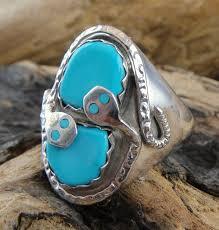
Zuni rings are among the most cherished and recognizable pieces of Native American jewelry. Known for their intricate designs, vivid colors, and cultural significance, these rings are not only beautiful accessories but also meaningful art pieces. For beginners interested in collecting or wearing Zuni rings, understanding their history, craftsmanship, and styles is essential.
Understanding the History of Zuni Rings
The Zuni people are a Native American tribe primarily located in the Pueblo region of New Mexico. They are renowned for their exceptional craftsmanship in jewelry, pottery, and textiles. Zuni rings have a rich history that dates back hundreds of years, reflecting the tribe’s deep connection to nature and spirituality.
Traditional Zuni jewelry often incorporated turquoise, coral, jet, and other natural stones, reflecting the desert landscape surrounding the Zuni communities. Over time, these designs evolved, blending traditional symbolism with contemporary aesthetics. Each Zuni ring tells a story, making it more than just a piece of jewelry—it’s a cultural artifact.
Key Features of Zuni Rings
Zuni rings are distinguished by several unique features. The first is stone inlay, which is the hallmark of Zuni craftsmanship. This technique involves cutting stones into precise shapes and fitting them together like a puzzle. Turquoise, coral, mother-of-pearl, and onyx are commonly used to create intricate patterns.
Another key feature is symbolism. Many Zuni rings depict animals, flowers, or spiritual motifs that hold cultural significance. For example, birds often symbolize freedom or spiritual guidance, while the sun or star patterns may represent life cycles or celestial influence.
The metalwork in Zuni rings is typically silver. Skilled artisans carefully craft the metal setting to complement the stones, often using delicate engravings or rope-like borders. This combination of precise inlay work and fine silver settings makes Zuni rings instantly recognizable.
How Zuni Rings Differ from Other Native American Jewelry
While Native American jewelry includes many styles, Zuni rings are distinct from Navajo or Hopi jewelry. Navajo pieces often emphasize large silver settings and turquoise stones, while Hopi jewelry focuses on overlay techniques with subtle designs. Zuni rings, on the other hand, are known for their intricate, colorful inlay patterns and small, detailed designs that require meticulous skill.
This difference in technique and style is why Zuni rings are highly sought after by collectors and enthusiasts. They represent a level of craftsmanship that is both delicate and highly artistic, often taking hours or even days to complete a single piece.
Popular Styles of Zuni Rings
Zuni rings come in a variety of styles, each reflecting the artist’s creativity and cultural heritage. Some of the most popular include:
- Cluster rings: These rings feature a group of small stones arranged in geometric or floral patterns. The stones are usually turquoise or coral, creating a vibrant and eye-catching design.
- Channel inlay rings: In these rings, stones are cut into thin strips and set within narrow channels in the silver. This style allows for intricate patterns and color combinations.
- Animal motif rings: Many Zuni rings feature animals such as bears, eagles, or turtles, which hold spiritual meaning in Zuni culture. These motifs are often created with tiny stone pieces in a detailed mosaic style.
Each style offers a unique look and a different level of detail, allowing beginners to explore a variety of designs while appreciating the craftsmanship.
Choosing Your First Zuni Ring
Selecting your first Zuni ring can be both exciting and overwhelming. Here are some tips for beginners:
- Consider the stones: Turquoise is the most common stone, but Zuni rings may also include coral, jet, or mother-of-pearl. Consider the colors and patterns that resonate with you.
- Examine the craftsmanship: Look closely at the inlay work and silver setting. High-quality Zuni rings have smooth, precise inlays with no gaps or uneven edges.
- Check for authenticity: Authentic Zuni rings are usually signed by the artist or include a hallmark indicating their origin. Be cautious of mass-produced pieces that mimic the style but lack the craftsmanship.
- Think about size and comfort: Since Zuni rings can be bold and intricate, make sure the ring is comfortable for everyday wear or occasional use, depending on your preference.
Caring for Zuni Rings
Proper care is essential to maintain the beauty of Zuni rings. Because these rings are made with delicate stones and silver, they should be handled with care. Avoid exposing the ring to harsh chemicals, extreme temperatures, or excessive moisture.
Cleaning should be done with a soft, dry cloth, and if deeper cleaning is needed, use mild soap and water, avoiding harsh abrasives. Store your Zuni rings separately from other jewelry to prevent scratching and damage to the inlay work.
Regular care ensures that these intricate pieces retain their luster and continue to be admired for generations.
Collecting Zuni Rings
Many enthusiasts collect Zuni rings not just for their beauty, but for their cultural and artistic value. When building a collection, it’s important to focus on quality over quantity. Look for rings with unique patterns, exceptional craftsmanship, and cultural significance.
Collecting Zuni rings can also involve learning about the individual artists, as many Zuni jewelers sign their work. Knowing the artist and their story adds depth to your collection and helps preserve the legacy of Zuni craftsmanship.
The Cultural Significance of Zuni Rings
Beyond their aesthetic appeal, Zuni rings carry profound cultural meaning. They often embody spiritual beliefs, tribal history, and a connection to the natural world. Wearing or collecting a Zuni ring is a way to honor and appreciate the artistry of the Zuni people.
Understanding this cultural context enhances the experience of owning a Zuni ring. It reminds collectors and wearers that each piece is not merely an accessory, but a testament to centuries of tradition and skill.
Where to Buy Zuni Rings
Authentic Zuni rings can be found in specialty jewelry stores, Native American art markets, and online platforms that focus on indigenous crafts. When purchasing online, it’s important to verify the authenticity of the ring and the credibility of the seller.
Visiting galleries or local markets in New Mexico can also provide a deeper appreciation for the craftsmanship, allowing buyers to meet artists and learn about the techniques used to create each Zuni ring.
Final Thoughts
Zuni rings are more than just decorative items; they are symbols of heritage, artistry, and connection to nature. For beginners, learning about their history, styles, and cultural significance enriches the experience of owning these beautiful pieces. Whether you are wearing a Zuni ring for fashion, collecting for passion, or appreciating it as art, each piece offers a window into a rich cultural tradition.
By understanding the unique features, craftsmanship, and symbolism of Zuni rings, beginners can confidently choose pieces that reflect personal taste while honoring the artistry and heritage behind them. These rings are timeless, meaningful, and truly a work of art that can be cherished for a lifetime.
About the Author