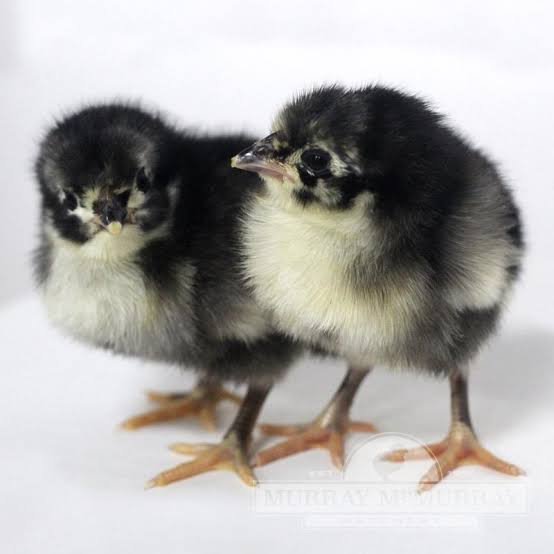
Australorp chickens are a popular choice for backyard poultry keepers because of their calm temperament, attractive appearance, and excellent egg-laying potential. Originally australorp chicks for sale developed in Australia, this breed is well suited to many small farms and family poultry projects. However, raising healthy Australorp chickens begins long before the chicks arrive. Preparing a comfortable brooder, selecting appropriate feeding supplies, and creating a safe environment can make the transition easier for young birds.
Whether you are purchasing chicks for the first time or expanding an existing flock, understanding their early needs will help you establish a strong foundation. Careful preparation also reduces unnecessary stress and allows you to monitor the chicks closely during their first weeks of life.
Understanding Australorp Chicks Before Buying
Before purchasing Australorp chicks, take time to understand the breed and the responsibilities involved in raising young poultry. Australorps are generally known for their friendly disposition, dark plumage, and productivity as laying hens. They can be suitable for beginners, provided their housing, nutrition, and daily care requirements are met.
Choose a reputable breeder or poultry supplier who can explain the chicks’ age, health history, vaccination status, and expected delivery arrangements. Healthy chicks should generally appear alert, active, and responsive. Their eyes should be clear, their down should look clean, and their movements should be steady.
Ask whether the chicks have been raised under appropriate brooding conditions and what feed they currently receive. Keeping their diet consistent during the first few days can help them adjust to their new environment.
It is also important to determine how many chicks your available space can comfortably accommodate. Planning ahead prevents overcrowding and helps ensure that every bird has sufficient access to food, water, warmth, and resting areas.
Choosing the Right Location for Your Brooder
A brooder is a protected space that provides young chicks with warmth, shelter, and easy access to essential resources. Since newly hatched chicks cannot regulate their body temperature effectively, a suitable brooder is one of the most important preparations you can make.
Select a location that is dry, clean, and protected from direct drafts. A quiet utility room, suitable outbuilding, or dedicated poultry area may work well if the temperature can be controlled safely. Avoid locations exposed to rain, excessive humidity, strong winds, or sudden temperature changes.
The brooder should also be easy to clean and inspect. A solid floor covered with appropriate bedding helps keep the environment comfortable and reduces contact with waste. Avoid slippery surfaces, which can make it difficult for chicks to walk normally.
Make sure the enclosure is secure against household pets and other animals. Good ventilation is necessary to maintain air quality, but ventilation openings should not create cold drafts at chick level.
Before the chicks arrive, clean and disinfect the brooder and allow it to dry completely. Prepare the enclosure early enough to confirm that the heating equipment works correctly and that the environment remains stable.
Preparing Safe and Reliable Heating Equipment
Warmth is essential during the early stages of chick development. A brooder should provide a warm area where chicks can gather and a cooler area where they can move when they feel too warm.
For the first week, a temperature of approximately 95°F (35°C) at chick level is a common starting point when using a traditional brooding setup. Reduce the temperature gradually by around 5°F (about 3°C) each week, adjusting according to the chicks’ behavior and environmental conditions.
A properly designed radiant brooder or other poultry-safe heating system can provide warmth without exposing the chicks to unnecessary risks. Follow the manufacturer’s instructions and maintain a safe distance between the heat source, bedding, and enclosure walls.
Secure electrical cords, prevent access to hot components, and keep combustible materials away from heating equipment. Avoid improvised heating arrangements that could overheat the brooder or create a fire hazard.
Observe the chicks frequently. If they crowd tightly beneath the heat source and chirp persistently, they may be cold. If they move away from the heat and appear uncomfortable, the area may be too warm. Chicks that spread out comfortably, move around, and eat and drink normally generally indicate that conditions are suitable.
Selecting Appropriate Bedding and Brooder Supplies
The bedding used in a brooder affects cleanliness, comfort, and footing. Absorbent pine shavings designed for poultry are a common option because they help manage moisture and provide a comfortable surface. Avoid cedar shavings, dusty materials, and bedding containing chemicals or fragrances.
For newly arrived chicks, textured paper towels placed over suitable bedding can provide better footing and make it easier to recognize droppings during the first few days. Smooth newspaper alone is not recommended because its slippery surface can contribute to leg problems.
Replace wet or heavily soiled bedding promptly. Damp bedding can encourage unpleasant odors and increase the risk of health problems. Keep the floor dry without creating excessive dust.
Other useful brooder supplies include a thermometer, a secure enclosure, cleaning materials, a small poultry-safe feeder, and a suitable chick waterer. A thermometer helps you monitor the temperature, while a simple daily checklist can help you track feeding, drinking, activity, and general condition.
Provide enough space for the chicks to move freely as they grow. The enclosure should also allow you to separate the warm and cool areas without making either one difficult to access.
Choosing the Right Feed for Australorp Chicks
Nutrition is essential for healthy growth, feather development, and normal activity. Before buying Australorp chicks, purchase a complete commercial chick starter feed formulated for their age and type of poultry.
A starter ration is generally designed to provide the protein, energy, vitamins, and minerals needed during early development. Follow the feed manufacturer’s directions regarding the appropriate age range and feeding period.
Medicated and unmedicated starter feeds are both available. The best choice depends on your flock’s circumstances, local veterinary guidance, and the product’s intended use. If chicks have received vaccinations against certain diseases, ask the breeder or veterinarian whether a particular medicated feed is appropriate.
Keep the feed fresh, dry, and protected from rodents. Store it in a clean, sealed container away from moisture and direct sunlight. Check the packaging for storage instructions and avoid using feed that has become moldy, damp, or contaminated.
Do not rely on household food scraps, grains, or homemade mixtures as the primary diet for young chicks. These foods may not provide a balanced nutritional profile. A complete starter ration should remain their main source of nutrition during the recommended growth stage.
Setting Up Feeders and Waterers
Feeding equipment should be easy for small chicks to reach and simple to clean. Select a chick feeder designed to limit scratching and spilling. It should allow several birds to eat without excessive competition.
Place feeders on a stable, level surface and keep them away from areas where bedding or droppings can easily contaminate the feed. As the chicks grow, adjust the feeder height so that it remains accessible without encouraging them to climb inside.
Clean water is just as important as nutritious feed. Use a shallow poultry waterer specifically designed for young chicks. Avoid deep bowls or open containers that create a drowning risk.
Check the water supply several times throughout the day. Refill the waterer when necessary, clean it regularly, and remove any bedding or droppings that enter it. In colder conditions, ensure the water does not freeze; in hot conditions, monitor it more frequently.
When the chicks first arrive, gently show them where the waterer is located if needed. Do not force water into their mouths, as this can cause aspiration. Make sure every chick can reach both food and water without being pushed aside.
Preparing for the Chicks’ Arrival
Complete your brooder setup before collecting or receiving the chicks. Test the heating system, confirm that the bedding is dry, and position the feeders and waterers where the birds can find them easily.
Prepare enough starter feed and clean water for the expected number of chicks. Keep the brooder free from unnecessary equipment and objects that could trap or injure small birds.
When the chicks arrive, transfer them gently into the prepared enclosure. Allow them time to settle while observing their movement, breathing, and general activity. Confirm that each chick has access to warmth, water, and feed.
During the first few days, frequent observation is particularly important. Look for chicks that remain isolated, appear unusually weak, or struggle to eat and drink. Seek advice from a poultry veterinarian if you notice persistent abnormal behavior or signs of illness.
Maintain good hygiene by washing your hands before and after handling poultry, cleaning equipment regularly, and keeping visitors and other animals away from the brooder when possible.
Maintaining Cleanliness and Monitoring Growth
Daily care helps keep Australorp chicks comfortable and makes it easier to recognize problems early. Check the temperature, water supply, feed availability, and bedding condition every day. Remove wet patches and clean contaminated equipment as soon as possible.
Monitor the chicks’ growth and behavior rather than relying only on their age. Healthy young birds should gradually become more active, develop feathers, and show consistent interest in food and water.
As they grow, increase their available space and provide suitable ventilation. Their housing requirements will change as they become less dependent on supplemental warmth. Transition them gradually to a secure, age-appropriate poultry enclosure when weather and feather development permit.
A simple record of feed consumption, body weight when appropriate, health observations, and any veterinary care can help you identify changes over time.
Conclusion
Buying Australorp chicks is an exciting step toward establishing a productive backyard flock, but successful rearing starts with thoughtful preparation. A clean brooder, reliable heating, appropriate bedding, complete starter feed, and safe watering equipment all contribute to a healthy beginning.
By selecting chicks from a trustworthy breeder and preparing their environment before arrival, you can reduce avoidable stress and make daily care more manageable. Consistent monitoring, good hygiene, and appropriate nutrition will support their development as they grow.
With patience and attention to their changing needs, new poultry keepers can build confidence and provide Australorp chicks with a comfortable start. The effort invested in preparation during their earliest weeks can help establish healthy habits that benefit the flock well into the future.
About the Author