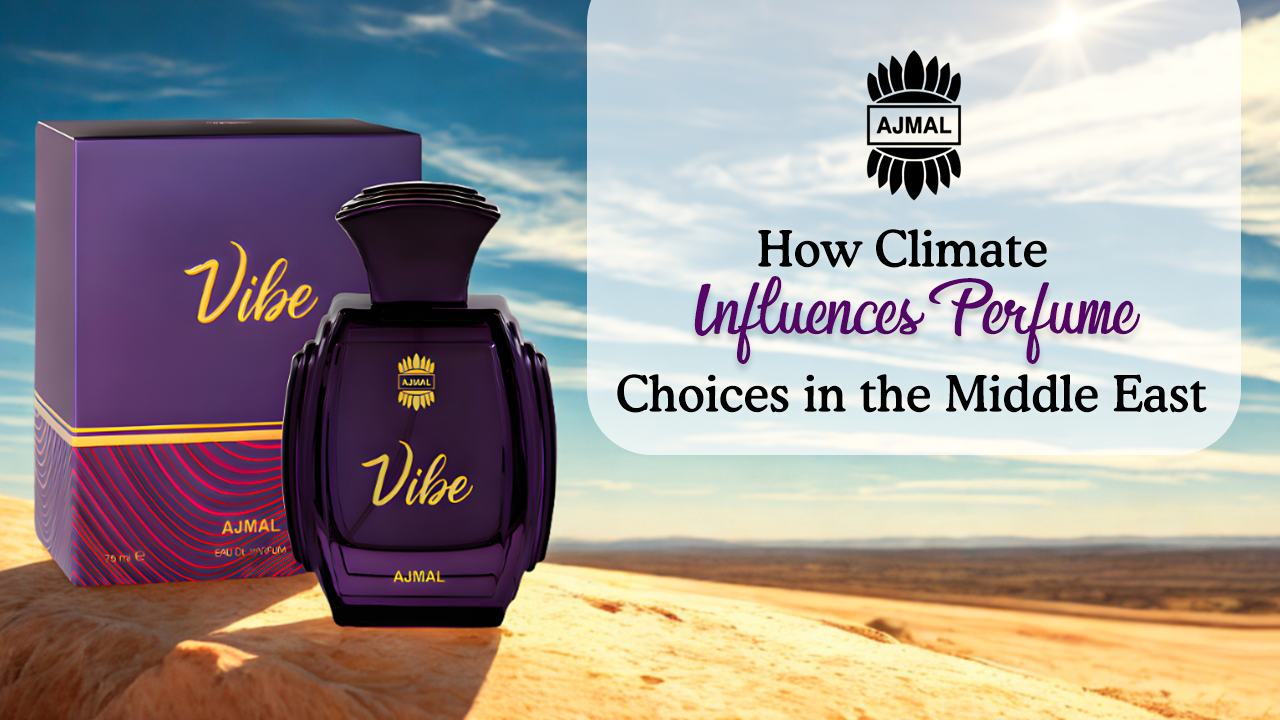
Standing in Dubai when temperatures hit 45°C changes everything about perfume. The heat doesn’t just make you sweat. It transforms how fragrance behaves. Molecules evaporate faster. Scents project louder and then vanish quicker. What smells perfect in London bombs in Abu Dhabi. Climate isn’t background noise. It’s the main character in Middle Eastern perfume choices.
Understanding Middle Eastern Climate Extremes
The Middle East swings between brutal extremes. Summer scorches at 40 to 50°C. Winter cools to a pleasant 15 to 25°C. This isn’t a gentle seasonal shift. It’s dramatic transformation. Your body chemistry literally changes. Skin produces more oils in heat. Sweat alters pH levels. These shifts affect how perfume develops on skin.
Desert humidity adds another layer. Coastal cities like Dubai and Abu Dhabi pack sticky moisture. This amplifies scent projection dramatically. What feels subtle in dry climates screams in humid zones. Fragrance lovers here need understanding these dynamics deeply.
How Heat Destroys Regular Perfumes
Heat accelerates molecular breakdown. Top notes that should last 30 minutes disappear in 10. Citrus oils evaporate instantly. Light florals vanish before you leave the house. This frustrates people endlessly. They spray expensive perfume only to lose it by lunchtime.
The sun itself damages fragrances too. UV rays break chemical bonds. This changes scent character completely. That fresh bergamot turns bitter. Delicate jasmine goes sour. Quality drops fast under desert sun exposure.
Air conditioning creates additional challenges. You move from 45°C outdoor heat to 18°C indoor chill constantly. These temperature swings confuse fragrance performance. Scents project differently in each environment. Finding balance becomes essential.
Summer Perfume Strategies for Middle East
Light Openings with Strong Bases
Summer perfumes need specific architecture. Fresh citrus openings cut through heat instantly. Bergamot. Lemon. Grapefruit. These provide initial relief. But they need anchoring. Without solid bases, they vanish uselessly.
Absolute Bright by Ajmal Perfumes demonstrates this perfectly. It opens with sparkling citrus energy. Fresh. Uplifting. Perfect for morning heat. But the base includes deeper woods and musks. These anchor the fragrance through scorching afternoons. The composition survives where pure citruses die.
Aquatic and Marine Notes
Water-inspired scents feel cooling psychologically. Aquatic notes create freshness perception. Marine accords suggest ocean breezes. These work beautifully in coastal humidity. They feel appropriate to environment naturally.
Ajmal’s fresh collections incorporate these intelligently. Not overwhelming synthetic aquatics. Subtle suggestions of water. Combined with aromatic herbs and clean musks. The effect feels genuinely refreshing without being simplistic.
Strategic Application Matters
Application technique affects performance massively in heat. Spray lower body points rather than neck. Heat rises. Fragrance placed on chest or stomach projects naturally. Avoid rubbing wrists together. This crushes molecules reducing longevity.
Moisturize before applying perfume. Dry skin drinks fragrance quickly. Hydrated skin holds scent longer. Use unscented lotions. Competing fragrances create confusion. One spray on clothes adds stability. Fabric holds scent when skin sweats it off.
Winter Perfume Freedom in Middle East
Rich Orientals Shine
Winter brings perfume paradise. Temperatures drop to comfortable zones. Suddenly rich orientals work beautifully. Amber Wood by Ajmal crushes winter wear. Its deep amber base feels luxurious not overwhelming. The cardamom and spices add warmth. Cedar and patchouli create sophisticated depth.
This perfume would choke in summer heat. Winter lets it breathe properly. The composition unfolds slowly. Each layer reveals gradually. This is perfume as art form.
Oud Becomes Appropriate
Oud dominates Middle Eastern perfumery. But summer makes traditional oud brutal. Too heavy. Too intense. Too much everything. Winter changes this completely. Cooler temperatures tame oud’s power. It becomes approachable. Wearable. Actually pleasant.
Attar So Oudh from Ajmal showcases premium oud beautifully. Winter evenings let this shine properly. The resinous depth feels appropriate. The smoky undertones add mystery. This is when serious perfume lovers bring out their oud collections.
Gourmand Comfort
Gourmand notes smell delicious year-round. But summer makes sweetness cloying. Vanilla becomes too much. Tonka feels heavy. Caramel suffocates. Winter makes these work perfectly.
Sheer Happiness by Ajmal balances gourmand sweetness intelligently. It works better in cooler months. The composition includes enough freshness preventing sickly sweetness. But winter lets the cozy notes truly shine.
Transitional Months Need Hybrid Solutions
Spring and autumn present unique challenges. Mornings feel cool. Afternoons scorch. Evenings cool again. One perfume needs surviving this entire range. This demands smart composition.
Floral-woody hybrids crush transitional seasons. Rose with sandalwood. Jasmine with vetiver. These bridge fresh and rich perfectly. Jasmine Flower by Ajmal works beautifully here. The jasmine provides floral elegance. The base adds grounding weight. It transitions from cool mornings to warm afternoons smoothly.
Cultural Considerations Beyond Climate
Middle Eastern perfume culture adds layers beyond pure climate concerns. Social expectations matter. Oud signifies luxury and respect. Wearing cheap synthetic fragrances feels inappropriate for formal occasions. Quality matters as status signal.
Religious considerations affect choices too. Alcohol-free attars suit conservative preferences. These concentrated oils perform differently than alcohol-based perfumes. They sit closer to skin. Project more intimately. Last incredibly long. Climate becomes less relevant when alcohol isn’t evaporating.
Body Chemistry Changes with Heat
Summer transforms your skin chemistry completely. Increased sweating raises salt levels. This affects how fragrances develop. Some notes amplify. Others disappear. What smelled one way in winter shifts entirely.
Oily skin in summer grabs fragrance differently. It holds scent longer but changes character. The oils mix with perfume oils creating hybrid scent. This can improve or ruin fragrances depending on composition. Testing in actual climate conditions matters hugely.
Indoor vs Outdoor Fragrance Behavior
Shopping malls run at Arctic temperatures. Offices crank AC brutally. But streets and parking lots roast mercilessly. Your perfume needs performing in both environments. This split reality creates unique demands.
Some fragrances project beautifully outdoors but overwhelm in AC. Others feel perfect in cool offices but vanish outside. Finding options working everywhere becomes crucial. Dakhoon Mina by Ajmal handles this transition well. Its aromatic character adapts to temperature changes naturally.
Concentration Levels Matter More Here
Eau de Toilette struggles in Middle Eastern heat. The lower concentration evaporates too quickly. Even expensive EDTs disappoint here. Eau de Parfum becomes minimum viable concentration. The 15 to 20% oil content survives heat better.
Extraits and pure perfume oils dominate for good reason. Their concentration resists evaporation. They last through entire days. The investment pays off through performance. Ajmal’s attar collections exemplify this. Tiny amounts last 12+ hours easily.
Layering Strategies for Extreme Climates
Layering creates longevity naturally. Start with scented shower products. Use matching body lotion. Then apply perfume. Each layer reinforces others. The cumulative effect outlasts single application dramatically.
But avoid competing fragrances. Everything should coordinate. Mismatched scents create confusion. Your nose can’t distinguish individual notes. Result smells muddy and unclear.
Fabric Choices Amplify Performance
Cotton and linen breathe beautifully. But they don’t hold scent well. Synthetic blends trap fragrance better. This matters for clothes application. One spray on polyester collar lasts all day. Same spray on cotton vanishes quickly.
Traditional thobes and abayas in heavier fabrics hold oud beautifully. This partly explains oud’s popularity. The perfume and clothing evolved together. They work symbiotically in this climate.
Economic Factors in Climate-Driven Choices
Running through perfume quickly gets expensive. Summer heat burns through bottles. This pushes people toward concentrated formats. Attars and oils provide better value per wear. Initial cost seems higher. Cost per use actually drops dramatically.
This explains thriving attar market across Gulf states. It’s not just cultural preference. It’s economic practicality. People adapt to climate through format choices.
Future of Perfumery in Extreme Climates
Climate change intensifies these challenges. Summers get hotter. Longer. More brutal. Perfume houses must adapt formulations. Heat-resistant molecules. Improved fixatives. Better bases that survive temperature extremes.
Ajmal and other regional brands lead innovation here. They live this climate daily. They understand requirements intimately. Western brands often miss these nuances. Their formulas suit temperate zones. Middle Eastern conditions demand different thinking.
Conclusion
Climate doesn’t just influence perfume choices in the Middle East. It dominates them completely. Summer heat demands light openings with strong bases, aquatic notes, and strategic application. Winter freedom allows rich orientals, traditional ouds, and gourmand comfort to shine properly. Transitional months need hybrid solutions bridging both extremes. From Absolute Bright’s summer-proof citrus to Amber Wood’s winter depth, from Jasmine Flower’s transitional elegance to Attar So Oudh’s concentrated power, Ajmal Perfumes understands these climate demands intimately. The brand’s regional heritage shows through formulations surviving 45°C heat and taking advantage of 20°C winter perfection. Body chemistry shifts, indoor-outdoor transitions, fabric choices, and economic considerations all flow from climate realities. This isn’t just about smelling nice. It’s about understanding how environment transforms fragrance performance completely. Smart perfume choices in Middle East recognize climate as primary factor. Not trend. Not marketing. Pure survival through brutal conditions. Master this and your fragrances finally perform as intended.
FAQs
Q: Why do perfumes disappear so fast in Middle Eastern heat?
A: High temperatures of 40-50°C accelerate molecular evaporation making top notes vanish within minutes, while humidity amplifies then dissipates scents rapidly requiring stronger base notes for longevity.
Q: What concentration works best for Middle Eastern climate?
A: Eau de Parfum minimum with 15-20% oil content, though extraits and pure attar oils perform best surviving heat through concentrated formulations resisting evaporation.
Q: Can I wear oud perfumes in summer?
A: Traditional heavy ouds overwhelm in summer heat, but save them for winter evenings when cooler 15-25°C temperatures let rich compositions unfold properly without suffocating.
Q: How should I apply perfume differently in extreme heat?
A: Spray lower body points where heat rises naturally, moisturize skin first for better hold, apply lightly on clothes for stability, and avoid neck application in scorching temperatures.
Q: Which Ajmal perfumes handle Middle Eastern climate best?
A: Absolute Bright for summer with heat-resistant citrus structure, Amber Wood for winter depth, Jasmine Flower for transitional months, and Attar So Oudh for concentrated year-round performance.
About the Author