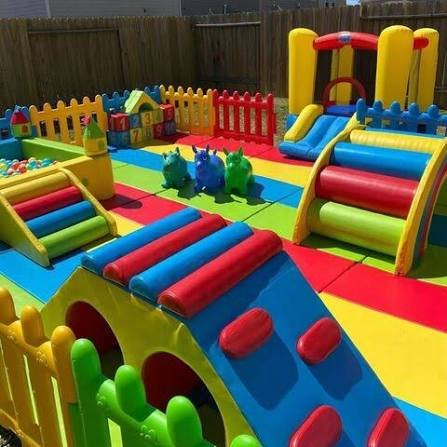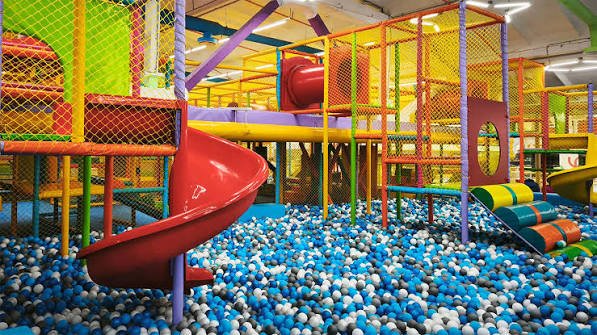
Choosing the right indoor playground manufacturer is an important decision for businesses planning to build an exciting, safe, and profitable play environment. Whether you are developing a family entertainment center, shopping mall play area, daycare facility, hotel, or dedicated indoor amusement indoor playground manufacturer venue, the quality of the equipment can directly influence customer satisfaction and long-term business performance.
A reliable manufacturer should provide more than attractive playground designs. Safety, materials, customization, manufacturing capabilities, installation support, and after-sales service all deserve careful consideration. By evaluating these factors before making a purchase, business owners can reduce risks and select a manufacturing partner that meets their specific requirements.
Experience and Industry Reputation
One of the first things to evaluate is the manufacturer’s experience. A company with years of experience in designing and producing indoor playground equipment is more likely to understand the practical requirements of different venues.
Look for a manufacturer with a strong portfolio of completed projects. Reviewing previous installations can help you understand the company’s design capabilities, product quality, and ability to handle projects of different sizes.
Customer reviews and testimonials can also provide useful insights. Pay attention to comments about communication, product quality, delivery times, installation, and after-sales support. A manufacturer with a consistent reputation is generally a safer choice than a company that provides limited information about its previous work.
Safety Standards and Certifications
Safety should always be one of the highest priorities when purchasing indoor playground equipment. Children will be climbing, jumping, sliding, crawling, and interacting with different components, so every part of the playground should be designed with safety in mind.
Ask the manufacturer about the safety standards their equipment follows. Depending on the target market, relevant certifications and testing may include internationally recognized playground safety requirements.
A professional manufacturer should be able to provide documentation regarding materials, testing, safety procedures, and product certifications where applicable. You should also ask about protective padding, structural stability, non-toxic materials, secure connections, rounded edges, and appropriate barriers.
Do not rely solely on attractive product photographs. Request technical information and safety documentation before placing a major order.
Quality of Materials
The durability of an indoor playground depends heavily on the materials used during manufacturing. High-quality materials can help equipment withstand frequent use while maintaining its appearance and structural integrity.
Ask what materials are used for major components such as frames, platforms, slides, flooring, padding, ropes, nets, and decorative elements. Metal structures should have suitable protection against corrosion, while soft components should be durable and easy to maintain.
The quality of padding is particularly important because it can help reduce the impact of accidental falls. Similarly, playground surfaces should be designed to withstand regular cleaning and heavy customer traffic.
A trustworthy manufacturer should be transparent about its materials instead of avoiding technical questions.
Custom Design and Flexibility
Every indoor playground project has different requirements. The available floor space, ceiling height, target age group, theme, budget, and expected number of visitors can all influence the final design.
A reliable manufacturer should offer customization rather than forcing every customer to choose from a fixed selection of designs.
Discuss your available space with the manufacturer and provide accurate measurements whenever possible. The manufacturer should be able to develop a layout that makes effective use of the available area while maintaining safe movement between different attractions.
Customization can also include colors, themes, branding elements, slides, climbing structures, ball pits, obstacle courses, trampolines, interactive games, and other features.
Modern and Engaging Designs
Children’s entertainment preferences continue to evolve, so an indoor playground should provide an engaging experience rather than simply filling a room with equipment.
When evaluating an indoor playground manufacturer, examine whether the company offers modern designs that combine physical activity with imaginative play. The best playgrounds often include multiple types of activities, allowing children with different interests and abilities to find something enjoyable.
Themed environments can also create a memorable experience. Popular concepts may include adventure, jungle, space, ocean, fantasy, transportation, or educational themes.
A manufacturer that invests in design innovation can help your facility stand out from competing entertainment venues.
Manufacturing Capabilities
It is important to understand whether the company actually has the manufacturing capacity needed for your project. Ask about the production facility, equipment, quality-control procedures, workforce, and project management process.
A professional manufacturing operation should have clear procedures for inspecting components during different stages of production. Quality control should not be limited to the final inspection.
For larger projects, production capacity becomes even more important. Delays can affect construction schedules, opening dates, and business plans. Before signing a contract, discuss expected production times and make sure the manufacturer can realistically meet the required schedule.
Installation and Project Support
Even high-quality playground equipment needs proper installation. Incorrect assembly can affect both safety and performance.
Ask whether the manufacturer provides installation services or detailed installation guidance. For large or complex projects, professional installation may be particularly valuable.
The manufacturer should also provide information about maintenance requirements, cleaning procedures, replacement parts, and routine inspections. Clear instructions can make it easier for facility operators to keep the playground in good condition.
Project support should ideally continue after the equipment has been delivered and installed.
Transparent Pricing
Price is an important consideration, but choosing the cheapest manufacturer is not always the best way to control costs. Low-quality materials or poor construction can result in higher maintenance and replacement expenses later.
Request a detailed quotation that explains what is included in the price. Depending on the project, costs may involve design, manufacturing, packaging, shipping, installation, customization, and additional accessories.
Comparing multiple quotations can help you understand the market and identify unusually low or high offers. However, compare the specifications carefully rather than looking only at the final price.
A reliable supplier should clearly explain its pricing structure and identify any additional costs before the project begins.
After-Sales Service and Spare Parts
A playground is a long-term investment, so after-sales service matters. Equipment may eventually require replacement components, repairs, upgrades, or additional accessories.
Ask the manufacturer how it handles warranty claims and replacement parts. Find out whether commonly needed components are available and how customers can request technical assistance.
A responsive support team can save significant time when maintenance issues occur. Before purchasing, clarify the warranty period, coverage, exclusions, and process for reporting problems.
Communication and Professionalism
Good communication can make the entire project easier. From the first consultation through installation, the manufacturer should respond clearly and professionally.
Pay attention to how the company answers questions. Does it provide technical information? Does it understand your requirements? Does it explain limitations honestly? Does it provide realistic timelines?
A manufacturer that communicates effectively is more likely to manage your project responsibly.
Making the Final Decision
Selecting an indoor playground manufacturer should involve more than comparing product photographs and prices. Consider experience, safety standards, materials, customization, manufacturing capabilities, installation services, pricing transparency, and after-sales support.
Before making a final decision, request product specifications, certifications, project references, quotations, warranties, and design information. If possible, inspect completed projects or visit the manufacturer’s facility to gain a better understanding of its capabilities.
The right manufacturing partner can help transform an empty indoor space into a safe, attractive, and engaging entertainment destination. By conducting careful research and asking the right questions, business owners can make a confident investment in playground equipment that supports customer satisfaction and long-term operational success.
About the Author