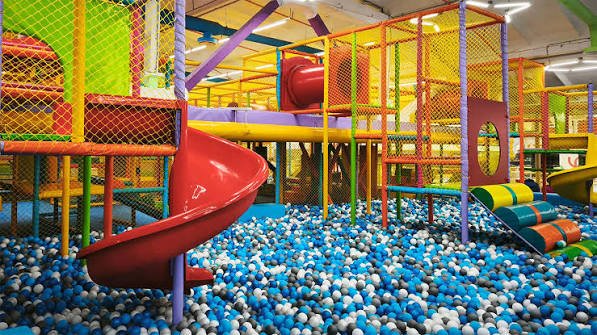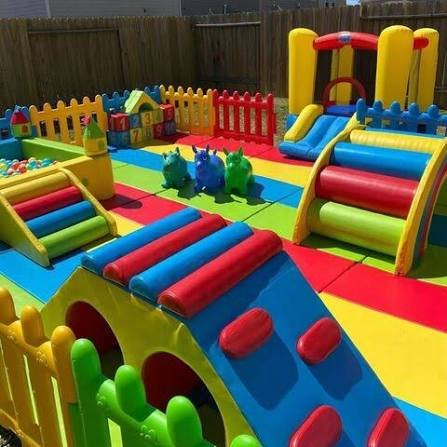
Choosing the right Soft Play Equipment is an important decision for any indoor playground, daycare, family entertainment center, school, or recreational facility. The equipment should Soft Play Equipment do more than simply look colorful and attractive. It should provide children with a safe, engaging, and age-appropriate environment where they can explore, play, move, and develop important physical and social skills.
With so many designs, sizes, materials, and configurations available, selecting the best equipment can feel overwhelming. Businesses and facility owners should carefully evaluate several factors before making a purchase. From safety standards and durability to design flexibility and maintenance, every detail can affect the long-term value of the investment.
Safety Should Always Come First
Safety is the most important factor when selecting Soft Play Equipment for children. Kids naturally run, climb, jump, crawl, and interact with different structures, so the equipment needs to be designed to minimize potential risks.
Look for equipment manufactured with child-friendly materials, rounded edges, secure connections, protective padding, and stable structures. There should be no exposed sharp edges, dangerous gaps, loose components, or surfaces that could easily cause injury.
It is also important to check whether the manufacturer follows recognized playground safety standards. Ask about safety testing, certifications, material quality, and installation requirements before purchasing. A reliable manufacturer should be willing to provide clear information about the safety features of its products.
Choose Equipment According to Children’s Ages
Children of different ages have different physical abilities, interests, and developmental needs. Equipment designed for toddlers may not be suitable for older children, while equipment intended for bigger kids may be too challenging for younger children.
Before selecting equipment, determine the main age group that will use the play area. Toddlers may benefit from low climbing structures, small slides, tunnels, sensory activities, and simple interactive panels. Older children may enjoy larger climbing areas, obstacle sections, bridges, slides, and challenging activity zones.
Creating separate play areas for different age groups can also help improve safety and provide a better experience for everyone.
Consider the Available Space
The size and layout of your facility should strongly influence your equipment selection. Before purchasing, carefully measure the available area, including ceiling height, entrances, emergency exits, columns, walls, and other permanent structures.
Soft Play Equipment should fit comfortably within the available space without making the area feel overcrowded. Children need enough room to move between activities safely, and staff members should be able to monitor the entire play zone.
A professional layout can make a smaller facility feel more spacious by using the available vertical and horizontal space efficiently. Modular equipment can be especially useful because it can often be arranged according to the dimensions and shape of the facility.
Focus on High-Quality Materials
The quality of materials directly affects the durability, safety, appearance, and maintenance requirements of playground equipment. Since children may use the equipment every day, commercial facilities should select products designed to withstand frequent use.
Look for strong structural materials combined with high-quality foam, protective padding, durable fabrics, and child-safe surface coverings. Materials should also be resistant to wear and easy to clean.
Ask manufacturers about the materials used in their products and how those materials perform under heavy daily usage. Spending more on quality equipment initially can potentially reduce replacement and repair costs over time.
Think About Hygiene and Easy Maintenance
Indoor play areas can receive hundreds of visits, making cleanliness an important consideration. Equipment should be designed so that staff can easily clean and inspect commonly touched surfaces.
Choose surfaces that are resistant to stains and can be cleaned using appropriate cleaning products. Avoid unnecessarily complicated designs that create difficult-to-reach areas where dust and dirt can accumulate.
Regular inspection and cleaning should be part of your facility’s maintenance routine. Check padding, connections, protective coverings, nets, slides, and other components regularly for signs of damage or excessive wear.
Select an Attractive and Engaging Design
Visual appeal can have a major influence on how children respond to a play area. Bright colors, creative themes, interactive features, and interesting structures can encourage children to explore the environment.
However, an attractive design should also support meaningful play. Instead of focusing only on appearance, consider whether the equipment encourages climbing, balancing, crawling, problem-solving, cooperation, and imaginative activities.
Popular themes can include castles, forests, outer space, oceans, cities, animals, and adventure concepts. A carefully planned theme can make the entire facility feel more exciting and memorable.
Encourage Physical Development
Good Soft Play Equipment can support children’s physical development by encouraging them to move their bodies in different ways. Climbing, balancing, crawling, reaching, and sliding can help children practice coordination and gross motor skills.
When planning a play area, consider including activities with different levels of physical challenge. This allows children to choose activities that match their abilities while gradually developing confidence.
A well-designed environment should encourage active play rather than keeping children focused on only one type of activity.
Look for Flexible and Modular Options
Business needs can change over time. A facility may expand, redesign its interior, or decide to create a different experience for its visitors. Modular Soft Play Equipment can provide greater flexibility in these situations.
Modular systems can often be customized, expanded, rearranged, or replaced in sections. This can be particularly valuable for businesses that want to update their play area without completely replacing the entire installation.
Ask the manufacturer whether additional components can be added later and whether replacement parts are readily available.
Evaluate Installation and After-Sales Support
Purchasing quality equipment is only part of the process. Professional installation is essential to ensure that every component is correctly assembled and securely positioned.
Before choosing a supplier, ask whether installation services are included and whether the company provides technical support after installation. A dependable manufacturer should also offer guidance regarding maintenance, inspections, repairs, and replacement parts.
Strong after-sales support can make it much easier to manage unexpected issues and keep the play area operating properly.
Consider Your Budget and Long-Term Value
Price is naturally an important factor, but the cheapest option is not always the best investment. Low-cost equipment may have lower durability, limited customization, or higher maintenance requirements.
Instead of comparing products only by their initial price, consider their expected lifespan, maintenance costs, safety features, warranty coverage, and potential popularity with visitors.
A higher-quality installation may provide better long-term value because it can remain attractive and functional for many years with proper care.
Choose a Reliable Manufacturer
The manufacturer you select can have a major impact on the quality of your entire project. Research the company’s experience, previous installations, product range, manufacturing capabilities, and customer feedback.
Ask for product specifications, safety documentation, material information, warranty details, and examples of completed projects. A professional manufacturer should communicate clearly and help you select equipment based on your facility, target age group, budget, and expected usage.
It is also useful to compare several suppliers before making a final decision. This allows you to evaluate differences in quality, customization, pricing, installation services, and customer support.
Conclusion
Choosing the right Soft Play Equipment requires careful consideration of safety, age suitability, available space, material quality, hygiene, design, physical development, flexibility, installation, and long-term value. The goal should be to create a play environment that is safe, exciting, durable, and suitable for the children who will use it.
By researching manufacturers carefully and evaluating equipment beyond its appearance and initial price, facility owners can make a more informed investment. High-quality equipment can create an engaging play environment while supporting children’s physical activity, creativity, confidence, and social interaction. With thoughtful planning and the right supplier, a soft play area can become a valuable and enjoyable part of any child-focused facility.
About the Author