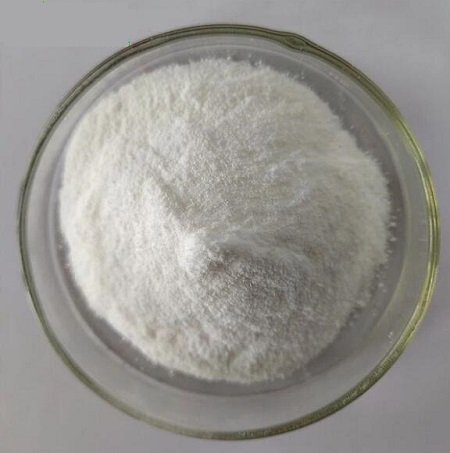
Indole-3-carbinol is a naturally occurring compound that has attracted considerable interest in nutritional science, botanical research, ingredient development, and dietary supplement formulation. It is produced when certain glucosinolates in cruciferous vegetables are broken down. Today, purified indole-3-carbinol powder is available as a specialized ingredient for research, formulation, and other applications where a consistent source of the compound is desirable. Understanding its origins, properties, handling requirements, and potential uses can help buyers and formulators make informed decisions about this distinctive botanical-derived material.
What Is Indole-3-Carbinol?
Indole-3-carbinol, commonly abbreviated as I3C, is an indole compound associated naturally with vegetables belonging to the Brassica family. Broccoli, Brussels sprouts, cabbage, kale, cauliflower, and related vegetables contain glucobrassicin, a glucosinolate that can produce indole-3-carbinol when plant tissues are disrupted and enzymatic reactions occur.
Unlike consuming whole vegetables, using purified indole-3-carbinol powder provides a concentrated form of the compound. This makes it particularly interesting for researchers and manufacturers who require a defined ingredient rather than relying on the variable concentrations found in raw plant material.
Its chemical characteristics also make it an important subject of scientific investigation. Researchers have examined how indole-3-carbinol behaves under different conditions and how it may interact with biological pathways. However, laboratory findings should not automatically be interpreted as proof of a particular health benefit in humans.
Natural Sources of Indole-3-Carbinol
The most familiar sources of indole-3-carbinol are cruciferous vegetables. Broccoli is one of the best-known dietary sources, while cabbage, kale, Brussels sprouts, and cauliflower also contain precursor compounds capable of producing I3C.
The amount available from food can vary depending on plant variety, growing conditions, maturity, storage, preparation, and cooking method. This natural variability is one reason purified ingredients are useful in research and manufacturing.
Commercial production generally involves obtaining suitable botanical material, processing it to generate or isolate the desired compound, and applying purification and quality-control procedures. Depending on the manufacturer, the final powder may differ in purity, particle size, moisture content, and other specifications.
Key Properties of Indole-3-Carbinol Powder
A high-quality indole-3-carbinol powder is typically characterized by its chemical identity, purity, appearance, and physical properties. These characteristics are important when the material is being incorporated into laboratory studies or formulated products.
Indole-3-carbinol is known to be relatively sensitive to environmental conditions. Exposure to heat, moisture, oxygen, and unsuitable storage conditions can affect the stability and quality of chemical materials. Consequently, manufacturers commonly provide storage recommendations designed to protect the ingredient.
The powder form offers practical advantages because it can be accurately weighed and incorporated into various formulations. Nevertheless, its behavior may depend on the surrounding ingredients, solvents, processing conditions, and packaging materials.
Manufacturing and Quality Considerations
When sourcing indole-3-carbinol powder, quality assurance is an important consideration. Suppliers may provide specifications covering identity, purity, moisture, heavy metals, microbial parameters, residual solvents, and other relevant testing categories.
A certificate of analysis can help buyers verify whether a particular production batch meets established specifications. Depending on the intended application, additional documentation such as allergen statements, safety data sheets, technical specifications, and manufacturing information may also be useful.
Reliable sourcing involves more than simply comparing prices. Buyers should consider the supplier’s quality-control procedures, testing capabilities, traceability, packaging practices, and consistency between batches. For research applications especially, reproducibility is important because differences in material quality can influence experimental results.
Research Applications
Indole-3-carbinol has been studied extensively in biological and nutritional research. Scientists have investigated its metabolism and its interactions with cellular signaling processes. One particularly interesting area involves the metabolism of indole compounds and their relationship with pathways influenced by dietary components.
Research may involve purified indole-3-carbinol powder because researchers need a defined quantity of the compound for controlled experiments. It can be used in laboratory investigations where researchers evaluate chemical behavior, metabolic pathways, cellular responses, or interactions with other compounds.
Importantly, research findings do not necessarily establish that taking I3C as a supplement will produce the same effects observed under experimental conditions. The distinction between laboratory research, animal studies, and well-controlled human research is essential when evaluating claims associated with specialized ingredients.
Applications in Supplement Formulation
Another area of interest is dietary supplement formulation. Indole-3-carbinol has been included in some products designed around cruciferous vegetable compounds and nutritional research. Manufacturers may select purified powder because it provides a more standardized quantity than relying entirely on vegetable-derived ingredients.
Formulators must consider factors such as ingredient compatibility, stability, dosage specifications, packaging, and applicable regulatory requirements. The final product should be manufactured according to appropriate quality standards and labeled in compliance with the rules applicable to its market.
The presence of an ingredient in a supplement does not by itself guarantee a specific health outcome. Responsible product development requires careful consideration of scientific evidence, safety information, and regulatory guidance.
Storage and Handling
Proper storage can help maintain the quality of powdered ingredients. Supplier instructions should always take priority because recommended conditions can vary according to purity, packaging, and formulation.
In general, sensitive powdered materials are often protected from excessive heat, moisture, direct light, and unnecessary exposure to air. Containers should remain properly sealed when the material is not being used. Good handling practices also reduce the risk of contamination and help preserve batch integrity.
For laboratory environments, appropriate labeling and documentation are especially important. The product name, batch number, storage information, and relevant safety documentation should remain accessible throughout the material’s use.
Choosing a Reliable Source
When purchasing indole-3-carbinol powder, buyers should evaluate several factors before selecting a supplier. Purity specifications, analytical testing, batch consistency, packaging, documentation, and traceability can all influence the suitability of an ingredient.
It is also useful to determine whether the supplier specializes in research chemicals, nutritional ingredients, botanical compounds, or another category. The intended application can influence which quality standards and documentation are most appropriate.
A transparent supplier should be able to provide clear technical information rather than relying solely on broad marketing claims. Buyers should also confirm that the material is legally appropriate for their intended use and market.
Future Potential of Indole-3-Carbinol
Interest in indole compounds continues to support research into plant-derived bioactive substances. Advances in analytical chemistry, nutritional science, and molecular biology may provide additional information about how indole-3-carbinol is metabolized and how its derivatives behave in different biological environments.
Future research may also help clarify which findings are most relevant to human nutrition and which remain primarily experimental. This distinction will be important as manufacturers, researchers, and consumers continue to encounter products containing I3C.
Conclusion
Indole-3-carbinol is a distinctive compound originating from the chemistry of cruciferous vegetables and has become an important subject of nutritional and laboratory research. Indole-3-carbinol powder offers a concentrated and convenient form for controlled research and specialized formulation applications. Its quality can depend on purity, manufacturing practices, storage, packaging, and analytical verification.
For anyone sourcing this ingredient, the most important considerations are reliable documentation, consistent specifications, appropriate handling, and a clear understanding of the intended application. As scientific investigation continues, careful research and responsible sourcing will remain central to understanding the properties and potential applications of this intriguing plant-derived compound.
About the Author