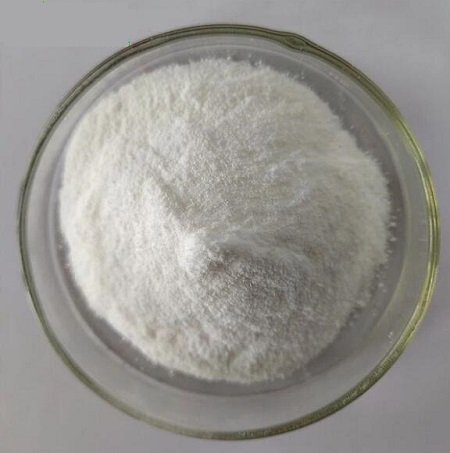
Broccoli is widely recognized as a nutritious vegetable, but its value extends far beyond the fresh produce aisle. Through modern processing methods, selected compounds from broccoli can be concentrated into a convenient ingredient known as Broccoli Extract. This ingredient is used across dietary supplements, functional foods, nutraceutical formulations, and research-focused products. Understanding how it moves from agricultural raw material to a finished ingredient helps manufacturers and buyers appreciate the importance of sourcing, processing, quality control, and standardization.
Selecting High-Quality Broccoli Raw Material
The production journey begins with carefully selected broccoli. The quality of the agricultural material can have a direct influence on the consistency and characteristics of the finished extract. Producers typically consider factors such as variety, growing conditions, harvesting time, freshness, and storage practices.
Broccoli may contain naturally occurring glucosinolates, polyphenols, vitamins, minerals, and other phytochemicals. The concentration of these compounds can vary depending on cultivation and environmental factors. For manufacturers, choosing reliable raw material suppliers is therefore an important first step toward producing a consistent ingredient.
Harvested broccoli must also be handled appropriately. Excessive heat, moisture, prolonged storage, or poor transportation conditions can affect plant compounds before extraction even begins.
Preparing Broccoli for Extraction
Once the raw material reaches the processing facility, it goes through several preparation stages. Foreign materials and unwanted plant matter are removed, while the broccoli is inspected for quality.
The material may then be washed to eliminate soil and other surface contaminants. Depending on the intended extraction process, broccoli can be cut, chopped, dried, or otherwise processed to create a suitable material.
Drying is particularly important when a powdered finished ingredient is desired. Controlled drying can reduce moisture while helping preserve important plant constituents. Processing conditions must be carefully managed because excessive temperatures may negatively affect certain sensitive compounds.
After drying, the broccoli may be milled into smaller particles. A more uniform particle size can improve contact between the plant material and extraction medium, supporting more consistent processing.
Choosing the Right Extraction Method
Extraction is the central stage in producing Broccoli Extract. The objective is to separate selected compounds from the plant matrix while producing an ingredient with predictable characteristics.
Different extraction approaches may be used depending on the desired composition and final application. Water-based extraction can be appropriate for water-soluble components, while other food-compatible extraction systems may be selected for compounds with different solubility characteristics.
The extraction conditions can include temperature, extraction time, solvent-to-material ratio, and processing environment. These factors need to be controlled carefully because changes can influence extraction efficiency and the chemical profile of the final ingredient.
Modern manufacturers often design their processes around the compounds they want to retain or concentrate. Rather than simply extracting as much material as possible, the focus is increasingly on obtaining a consistent, useful, and reproducible ingredient.
Filtration and Concentration
After extraction, the resulting liquid contains the desired compounds along with other soluble plant materials. Filtration or clarification can be used to remove insoluble particles and improve the appearance and consistency of the extract.
The filtered extract may then undergo concentration. Concentration reduces excess water or extraction medium, creating a more concentrated solution. Controlled concentration helps manufacturers achieve the specifications required for the finished ingredient.
At this stage, process monitoring becomes especially important. Parameters such as temperature, solids content, appearance, and other relevant quality characteristics can be checked to maintain batch-to-batch consistency.
Standardization and Active Components
One of the most important aspects of commercial botanical ingredients is standardization. Natural plant materials can vary, so manufacturers may establish specifications for particular marker compounds or groups of compounds.
For Broccoli Extract, the desired specification depends on its intended application. Some products may emphasize naturally occurring glucosinolate-related compounds, while others may focus on a broader botanical profile.
Standardization does not necessarily mean that every naturally occurring compound is present at exactly the same concentration. Instead, it provides a defined quality target that allows manufacturers to produce a more predictable ingredient.
Analytical testing can help determine whether each batch meets the required specifications before it moves to the next production stage.
Drying the Extract Into a Finished Powder
Many commercial applications require a dry, stable powder rather than a liquid extract. The concentrated extract can therefore undergo a suitable drying process.
Spray drying is one commonly used approach for converting liquid botanical preparations into powders. The extract is dispersed into a controlled stream of heated air, allowing moisture to evaporate rapidly and leaving behind a dry material.
The drying process must be optimized to balance moisture removal, powder characteristics, stability, and retention of desired constituents. Depending on the formulation, processing aids or carriers may also be used to improve powder flow, handling, and stability.
The resulting powder is then collected and evaluated according to established specifications.
Quality Control and Laboratory Testing
Quality control is essential throughout the manufacturing process, not only at the end. Raw materials, intermediate extracts, and finished Broccoli Extract may all undergo testing.
Typical quality programs can include checks for identity, appearance, moisture, microbial quality, heavy metals, contaminants, and relevant chemical markers. The exact testing requirements depend on the ingredient’s intended use, market, and applicable regulations.
Identity testing is particularly important because botanical ingredients can vary in appearance and composition. Analytical methods help confirm that the material is consistent with its declared botanical source.
Manufacturers may also maintain documentation covering supplier qualification, production batches, laboratory results, storage conditions, and traceability. These practices support transparency and help buyers evaluate ingredient quality.
Packaging and Storage
Once testing confirms that the finished ingredient meets its specifications, it is packaged under controlled conditions. Packaging should protect the powder from moisture, oxygen, light, contamination, and other environmental factors that could affect stability.
Storage conditions also matter. A cool, dry, controlled environment can help preserve the quality of botanical powders. Appropriate packaging and storage instructions should be established based on stability data and the characteristics of the ingredient.
Clear labeling and batch identification support traceability throughout the supply chain. This is especially important when the ingredient is supplied to supplement, food, or nutraceutical manufacturers.
Applications of Broccoli Extract
Finished Broccoli Extract can be incorporated into various types of formulations. It may be used in dietary supplements, capsules, tablets, powders, functional beverages, and other products where botanical ingredients are desired.
Its practical advantage is that extraction provides a concentrated and standardized form of plant material that can be easier to formulate than fresh broccoli itself. Manufacturers can select different specifications depending on the intended product and target market.
However, the presence of naturally occurring compounds should not automatically be interpreted as proof of a specific health outcome. Product developers should rely on appropriate scientific evidence and comply with applicable rules governing health and nutrition claims.
Why Manufacturing Consistency Matters
The journey from raw broccoli to a finished ingredient involves numerous controlled steps. Variations at any point—from cultivation and harvesting to extraction, drying, testing, and storage—can affect the final product.
For this reason, reputable producers place significant emphasis on supplier qualification, validated processing procedures, analytical testing, and documented quality systems. Consistency enables downstream manufacturers to formulate products with greater confidence and predictable ingredient characteristics.
Ultimately, high-quality Broccoli Extract is the result of more than simply processing broccoli. It requires a carefully managed supply chain and a manufacturing system designed around quality, safety, consistency, and the intended composition of the finished ingredient.
About the Author